Why Social Interaction Matters More Than Ever
RAD Values Reflected: Leadership • Empowerment
There’s a good chance your kid has more screens in their life than close friends. That’s not a guilt trip, it’s just where things have landed. And it’s not only a kid problem. In 2023, the U.S. Surgeon General officially declared loneliness a national epidemic, saying that a lack of real connection carries health risks comparable to smoking fifteen cigarettes a day. That’s not a metaphor. That’s the actual finding.
Here’s the good news: connection is a skill. It can be built, practiced, and strengthened, the same way a plie gets stronger with repetition. And it turns out one of the best places to build it is somewhere you might not expect: a dance class.
The Connection Problem Nobody Warned Us About
Gen Z is now the loneliest generation on record, more likely to report feeling isolated than people in their seventies. Seventeen percent of Americans say they have zero close friends, up from just one percent in 1990. Nearly three in five Americans say no one truly knows them.
Those numbers land differently when you picture them in your own living room. It’s not that kids don’t want connection. It’s that the everyday, unstructured ways families used to bump into it, neighborhood games, big family dinners, walking to a friend’s house, have quietly disappeared for a lot of us. Connection doesn’t happen automatically anymore. It has to be built on purpose.
What Social Interaction Actually Builds in a Kid’s Brain
This isn’t just a nice to have. According to Baylor College of Medicine, a lack of responsive social interaction can actually hinder brain development in the areas that govern language and social cognition. On the flip side, kids who get regular, real interaction, being talked to, played with, included, tend to show better emotional regulation, lower anxiety, and more resilience when things get hard.
In other words, when your kid is learning to wait their turn in the mirror line, read a teacher’s cue, or comfort a friend who messed up a combination, that’s not a side effect of dance class. That is the developmental work. The choreography is almost secondary.
Why Moving Together Works Differently Than Talking Together
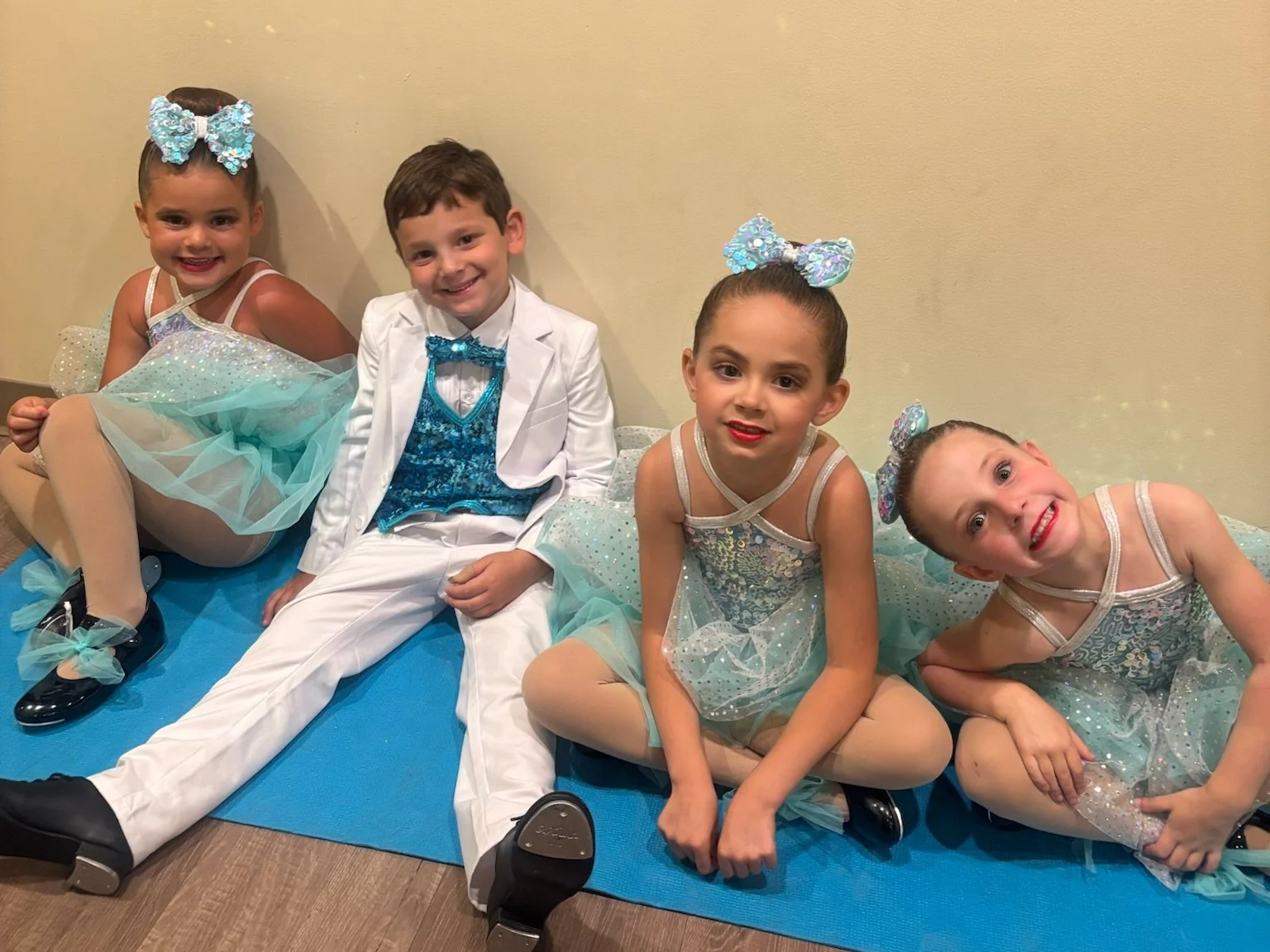
Here’s where dance specifically earns its place in this conversation. A 2024 study in the Journal of Adolescence found that just five weeks of group dance measurably improved teens’ social bonding and overall wellbeing. Researchers point to something called rhythmic synchronization, the simple act of moving in time with other people, as a real driver of trust and closeness. In one striking finding, kids who started out in opposing groups no longer held negative feelings toward each other after dancing in sync together.
There’s something dance does that a conversation can’t. When you’re counting eight counts with the dancer next to you, you’re not performing connection, you’re practicing it, in your body, in real time. That’s part of why the friendships kids build in a dance studio tend to run deeper than the ones that only exist over text.
Leadership Starts With Showing Up for Someone Else
At RAD, this is where our Leadership value really shows up, not as a poster on the wall, but as something kids practice every class. A dance captain checking that everyone knows the formation. A student helper walking a new dancer through the warm up. An older student modeling how to take a correction with grace instead of getting defensive. None of that happens in isolation. It only happens because the room is full of other people to lead, support, and be led by.
That’s the throughline: social interaction isn’t just about making friends, though that matters plenty. It’s the training ground for leadership itself. You can’t practice guiding a group of one.
What RAD Families Can Do This Week
None of this requires an overhaul. Small, consistent moments of real connection go a long way. A few places to start:
Protect the drive home. The car ride after class is often when kids naturally open up. Resist the urge to fill it with a screen or a rundown of homework. Just ask what made them laugh today.
Let them struggle socially, a little. If your dancer had a disagreement with a friend in class, resist jumping in to fix it. Ask what they think they’ll do about it. That’s leadership practice too.
Say yes to the extra hang. A birthday party, a group photo after rehearsal, a few extra minutes in the lobby talking to another dance parent. These small, low stakes moments are exactly what the research says we’ve lost. Treat them as worth the time.
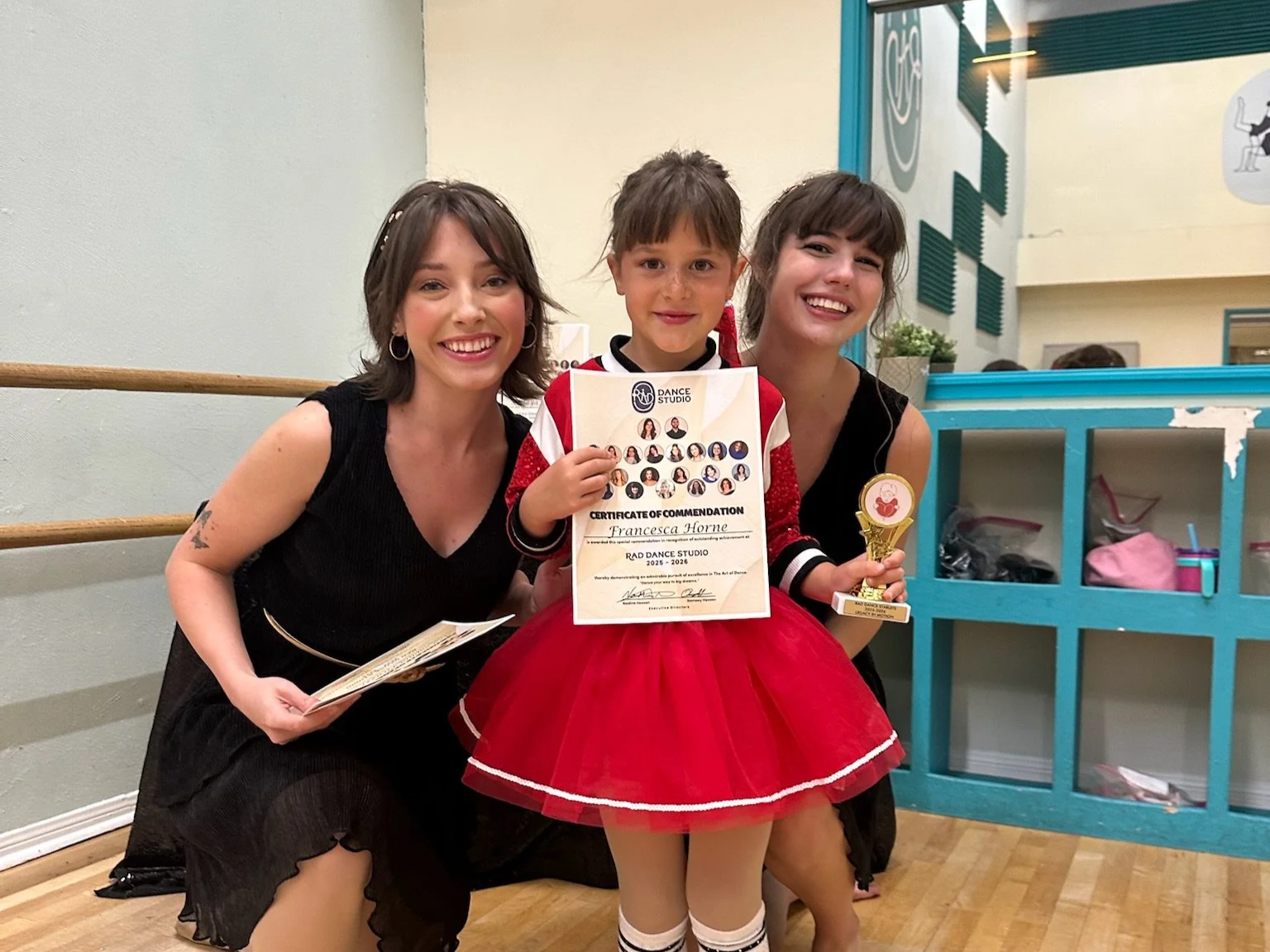
Look for the helper role. Ask your child’s teacher if there’s a way for your dancer to help a newer student, even informally. Being needed by someone else is one of the fastest ways to build both confidence and connection.
Keep showing up as a family. Watching a class, attending a recital, cheering from the lobby, it tells your child that this community matters to you too, not just to them.
Connection isn’t automatic anymore. But it’s not complicated either. It’s built one class, one moment, one small act of leadership at a time. That’s what a room full of dancers, moving together, learning to lead and be led, gives your family every single week.
If your family is looking for a place to build that on purpose, explore RAD’s classes or get in touch. We’d love to have you in the room.