5 Grounding Tools Every RAD Kid Can Carry With Them
RAD Values Reflected: Self-Worth • Inclusivity
Somewhere between school, friendships, screens, and everything in between, a lot of kids are carrying more than we realize. Nationally, about 1 in 5 teens report anxiety symptoms serious enough to get in the way of daily life, and 2 in 5 high schoolers say they have felt persistent sadness or hopelessness in the past year, according to the CDC's most recent Youth Risk Behavior Survey. Most anxiety disorders show up for the first time between ages 11 and 13, right in the thick of the years our RAD kids are growing up in front of us.
We are not sharing this to alarm you. We are sharing it because at RAD, we watch kids work through hard moments every single week, mid combo, mid nerves, mid meltdown, and we have seen what actually helps. Grounding is not about making the hard feeling disappear. It is a set of small, practiced skills that help a kid come back to themselves so they can handle whatever is in front of them, one breath or one step at a time. That is the same muscle we build on the dance floor: not the absence of a hard moment, but the confidence that you can move through one.
Here are five grounding tools worth having in your family's back pocket, all backed by real research, and all simple enough to try tonight.
1. Name Five Things You Can See
When anxious thoughts start spinning, the fastest way out is often through the senses, not the head. The 5-4-3-2-1 technique asks a kid to name five things they can see, four they can touch, three they can hear, two they can smell, and one they can taste. It sounds almost too simple, but pulling attention into the present moment is exactly what interrupts a spiral, and it is one of the most recommended grounding exercises therapists use with kids. Turn it into a game in the car or at the dinner table and it becomes a tool your kid already knows how to reach for.
2. Breathe Long, Not Hard
Kids (and let's be honest, most parents) tend to take short, shallow breaths when stressed, which actually keeps the body in fight or flight mode. A Stanford Medicine study found that just five minutes of cyclic sighing, two quick inhales through the nose followed by one long, slow exhale through the mouth, lowered stress and improved mood more effectively than the same amount of meditation. The exhale is doing the real work here. Practice a slow blow out the candles breath together and it becomes second nature by the time it is actually needed.
3. Move It Through
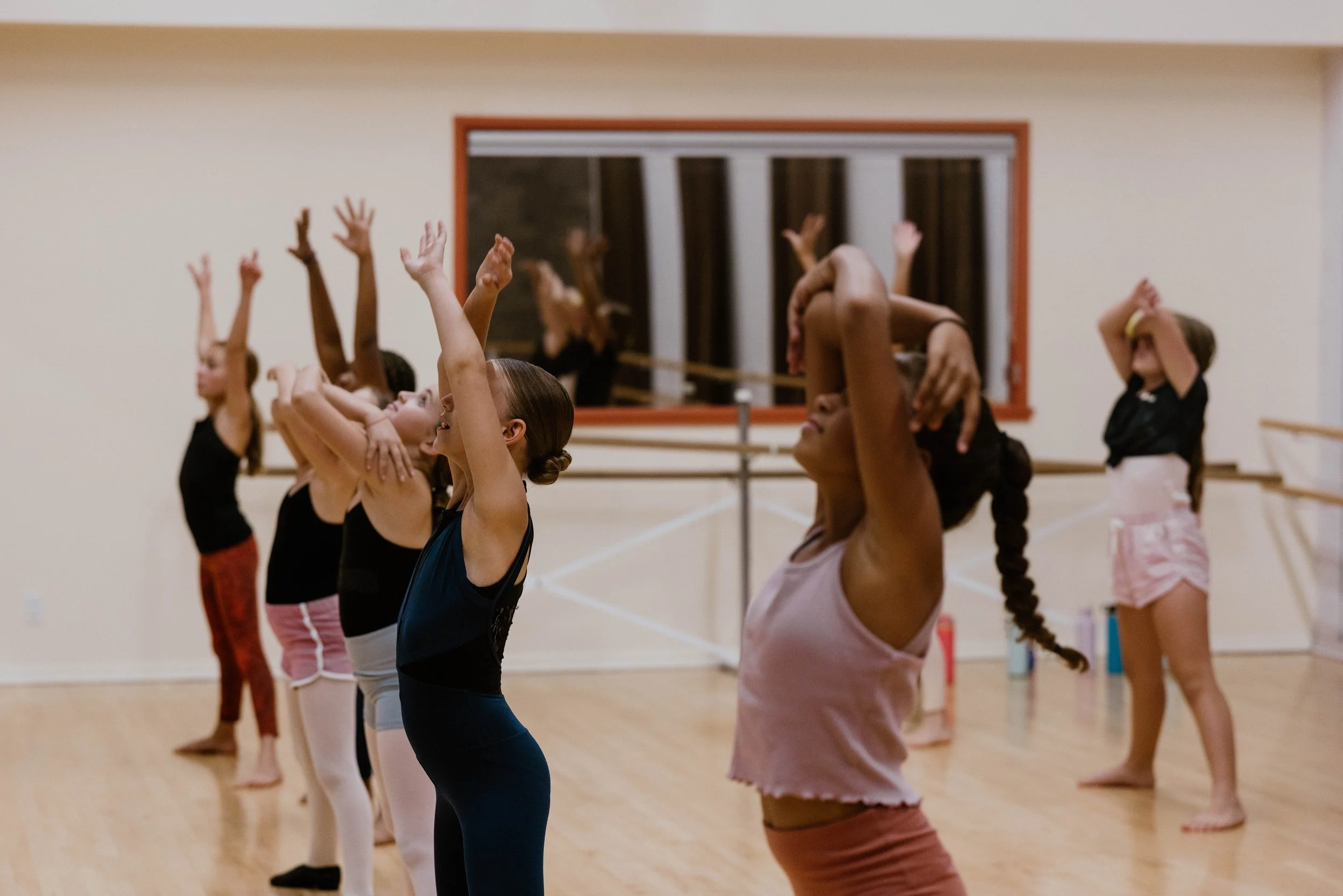
This is the one we know best. Rhythmic, repetitive movement, the kind that happens in every RAD class, has been shown to help regulate children's nervous systems, improve emotional control, and build self-confidence, according to a systematic review in Frontiers in Physiology. A stressed body often needs to move before a stressed mind can settle, which is part of why so many of our dancers walk out of class lighter than they walked in. At home, this can be as simple as putting on a song and shaking it out together for two minutes.
4. Talk to Yourself Like a Friend
Self-criticism raises stress, self-compassion lowers it. Kids who learn to talk to themselves the way they would talk to a friend, that was hard and I'm still figuring it out, instead of I'm terrible at this, show lower anxiety, more resilience, and less fear of failure, according to the Child Mind Institute. This is a skill parents can model out loud. The next time you make a mistake in front of your kid, narrate the kind version.
5. Practice on the Easy Days
Every tool above works best when it is already familiar. Trying a new grounding technique for the first time in the middle of a meltdown is like trying to learn a new combo mid performance, it rarely lands. Practice these together during calm, ordinary moments, in the car, before bed, at the dinner table, so they are already wired in by the time your kid actually needs them.
Why We Build This In Every Week
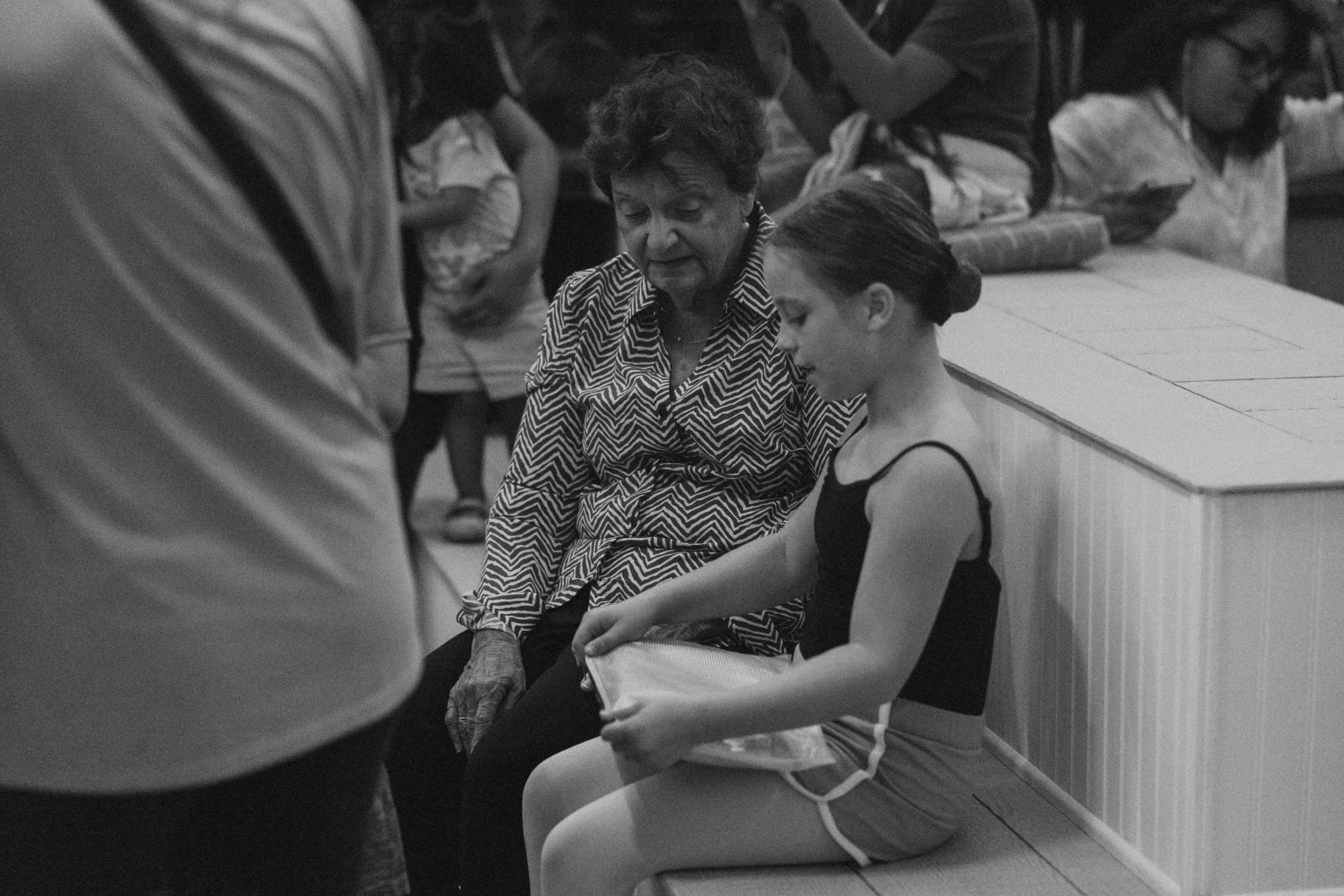
This is not separate from what we teach at RAD, it is the foundation of it. Every class is a chance for a kid to feel a hard moment, work through it, and land on their feet, literally. That is where real self-worth comes from: not being told they are capable, but proving it to themselves, over and over, until they believe it.
If your dancer could use a little more of that steadiness this season, explore our classes or schedule a trial. We would love to help them find it.