It Took a $17 Billion Settlement to Say What Parents Already Knew: Kids Need More Than a Feed
RAD Values Reflected: Self-Worth • Empowerment
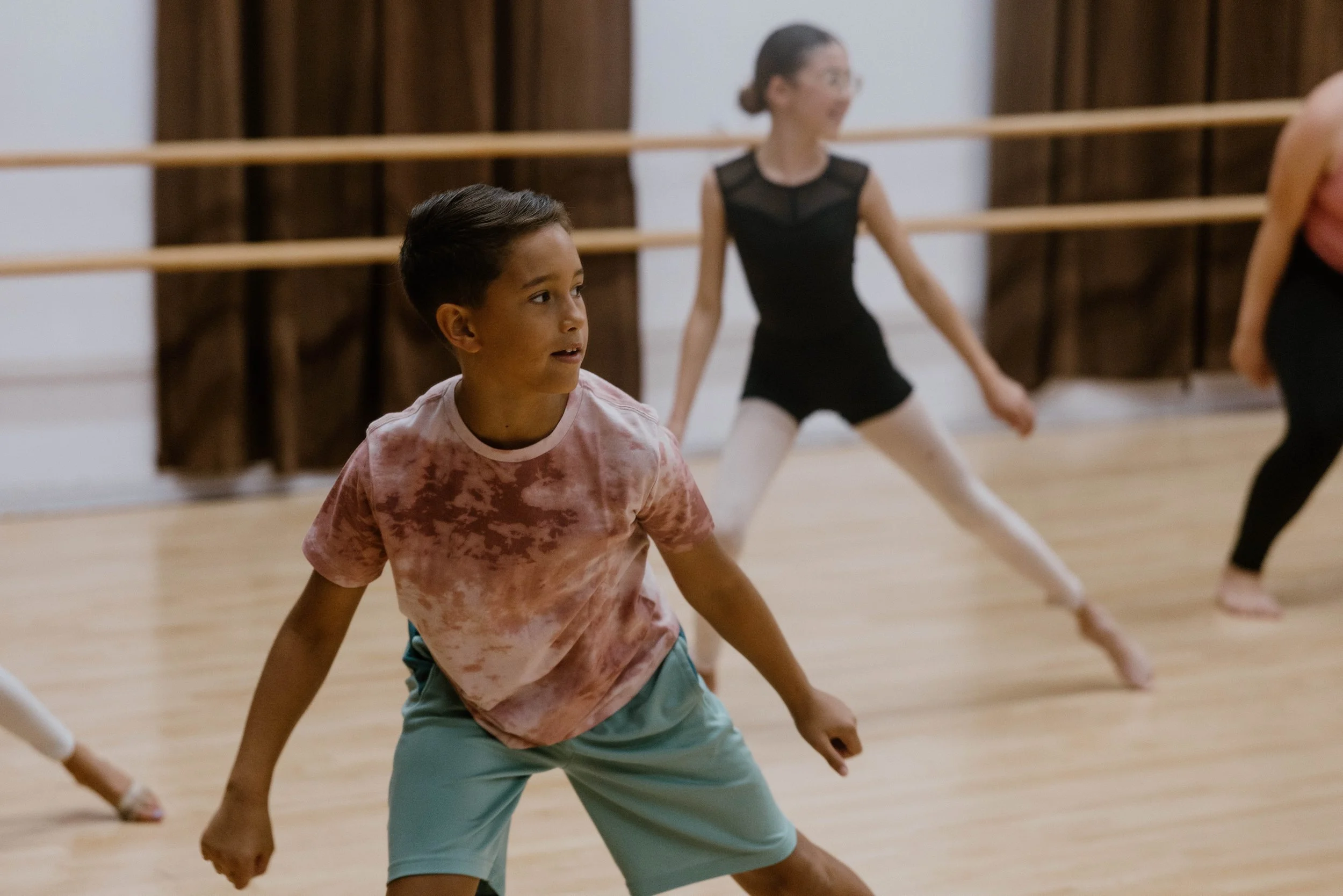
This week, it became official
On August 26, 2026, Meta agreed to pay up to $17 billion to settle a lawsuit brought by 47 states, Washington D.C., and several U.S. territories. The claim: Meta knowingly designed Facebook and Instagram to be addictive to kids, and kept what it knew about the harm to itself. A federal trial had just started in Oakland when the deal came together.
Meta denies wrongdoing. It also agreed to real changes for anyone under 18: a two-hour daily default time limit, a midnight-to-6-a.m. access block, fewer notifications during school hours, an option for a plain chronological feed instead of an algorithm-driven one, and hidden like counts. Some of the settlement funds are earmarked for youth mental health and after-school programs, which is its own quiet acknowledgment of where this all actually lands.
If you’re a parent, none of this is a surprise so much as a confirmation. You already had a sense that something about the feed wasn’t built with your kid’s best interest in mind. Now it’s in a legal settlement.
What’s actually changing on the apps
A two-hour daily cap for kids under 18. Down from, functionally, unlimited.
A midnight-to-6-a.m. blackout. No notifications, no scrolling, while your kid should be asleep.
A chronological feed option, parent-settable as the default. A real dent in the part of the system built to guess what will keep a kid’s thumb moving.
Hidden like counts for minors. One less number engineered to matter more than it should.
These are real, and they took a $17 billion legal fight to get. But a two-hour cap still leaves two hours a day of a system built to be hard to put down. The settlement changes the app. It doesn’t change what a kid actually needs instead of the app.
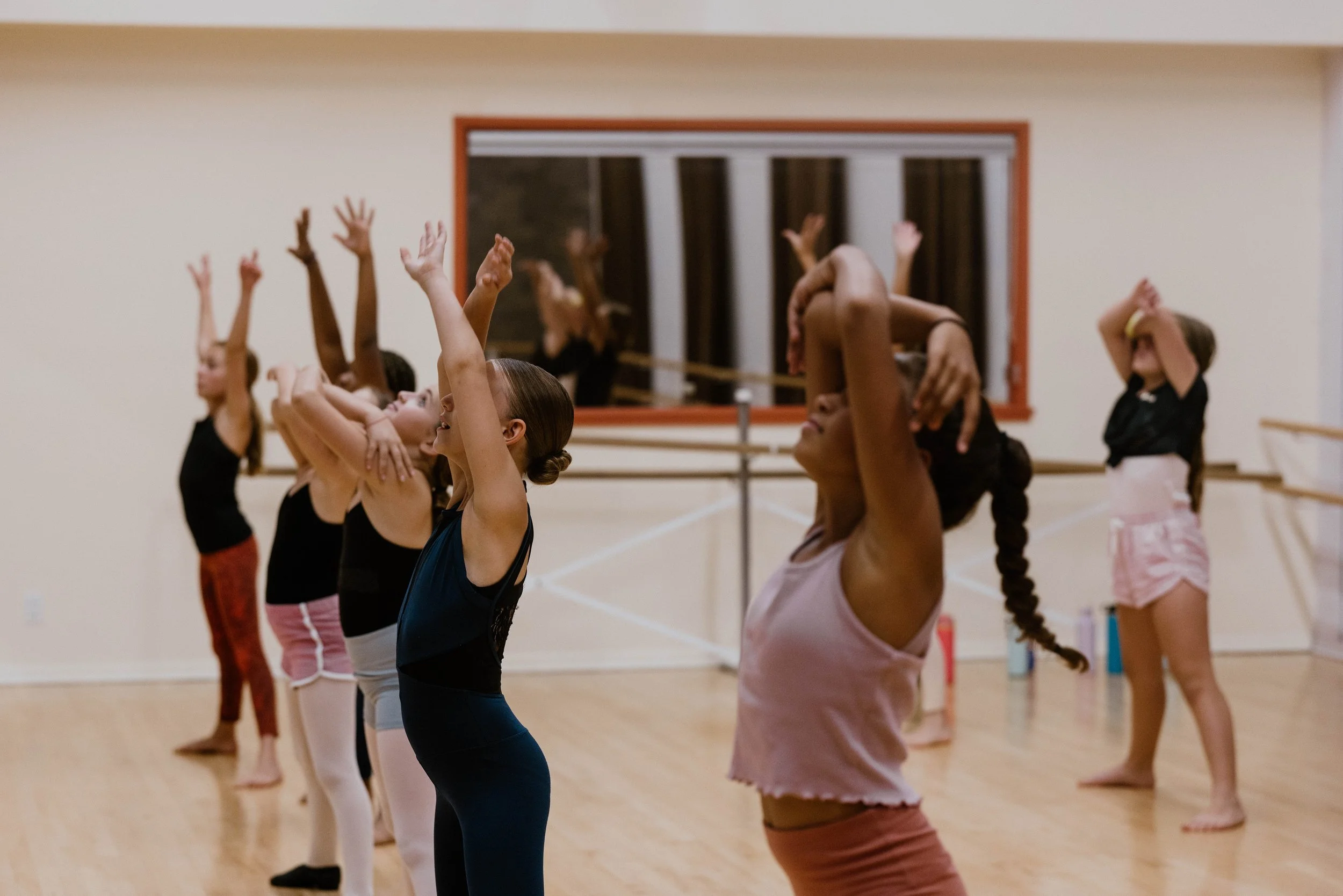
Attention and bodies in the same room, on purpose. That is the part a two-hour cap cannot supply.
The stat that matters more than the settlement
A January 2026 study of more than 50,000 U.S. kids ages 6 to 17, published in Nature’s Humanities and Social Sciences Communications, found that heavy screen time (four-plus hours a day) was linked to a 61% higher likelihood of depression. That part isn’t new; researchers have been saying versions of it for years.
Here’s the part worth sitting with: when the researchers asked why screen time was hurting kids, physical activity turned out to be the single biggest piece of the answer, accounting for up to 38.9% of the entire link between screen time and mental health problems. Not the content on the screen. Not even sleep, though that mattered too. Movement.
In other words, the most-researched, best-funded settlement in the history of youth social media policy is, in effect, an argument for getting your kid off the couch and into a room where their body is doing something real.
The real antidote isn’t less screen time. It’s more of this.
A two-hour limit is a ceiling. It doesn’t fill the two hours your kid gets back, and it definitely doesn’t replace what a feed was giving them in the first place, which, whatever else you think of it, was a hit of feeling seen. A like. A follower count. A little jolt of someone noticed me.
That’s the trade worth naming out loud: an app can manufacture the feeling of being seen in about two seconds. A dance class asks for something slower and harder, and it pays out something that actually holds up. There’s no algorithm deciding whether a kid nailed the combo today. There’s no filter on whether the room noticed them show up for a friend mid-run-through. That’s earned, not fed to them, and kids can tell the difference even when they can’t articulate it. That’s Self-Worth, the RAD kind, not the metric kind.
It’s also Empowerment, in the most literal sense. A two-hour cap is something that happens to a kid. A dance class is something they do, with their whole body, alongside other kids, on purpose. We wrote about the research on why real, in-person social interaction matters this much a few weeks ago, and this settlement is basically the other half of that same story: it’s not only that kids need more real connection, it’s that they need somewhere real to put their attention and their bodies instead.
What this means for your family this week
You don’t need to wait for Meta’s app update to roll out. A few places to start tonight:
Name the trade, out loud. Next time your kid reaches for the phone out of boredom, you don’t have to lecture. Just say what you now know: an app is built to give you a small hit fast. A real activity gives you a bigger one slower. Let them sit with that.
Fill the two hours with something that pays out. The settlement frees up real time in your kid’s day. That’s an opening, not a solved problem. One more practice, one more walk, one more shared activity where their body and attention are both actually in the room.
Watch for where they’re already earning real confidence. A recital nailed. A friend helped through a hard combo. A correction taken well instead of defensively. Name it when you see it. That’s the muscle the settlement can’t build for them.
Dance Lessons Are Life Lessons, and this is one of the more literal ones this year: the fix for what a feed does to a kid was never going to come from inside the feed.
Curious what two more hours in your kid’s week could actually look like? Book a trial class. We have been building the thing that fills those hours since 1991, and fall classes are filling now.
Not ready yet? See the fall class schedule and see what fits.